
Loading...
Serving Oxnard, CA and surrounding areas. (805) 261-5982
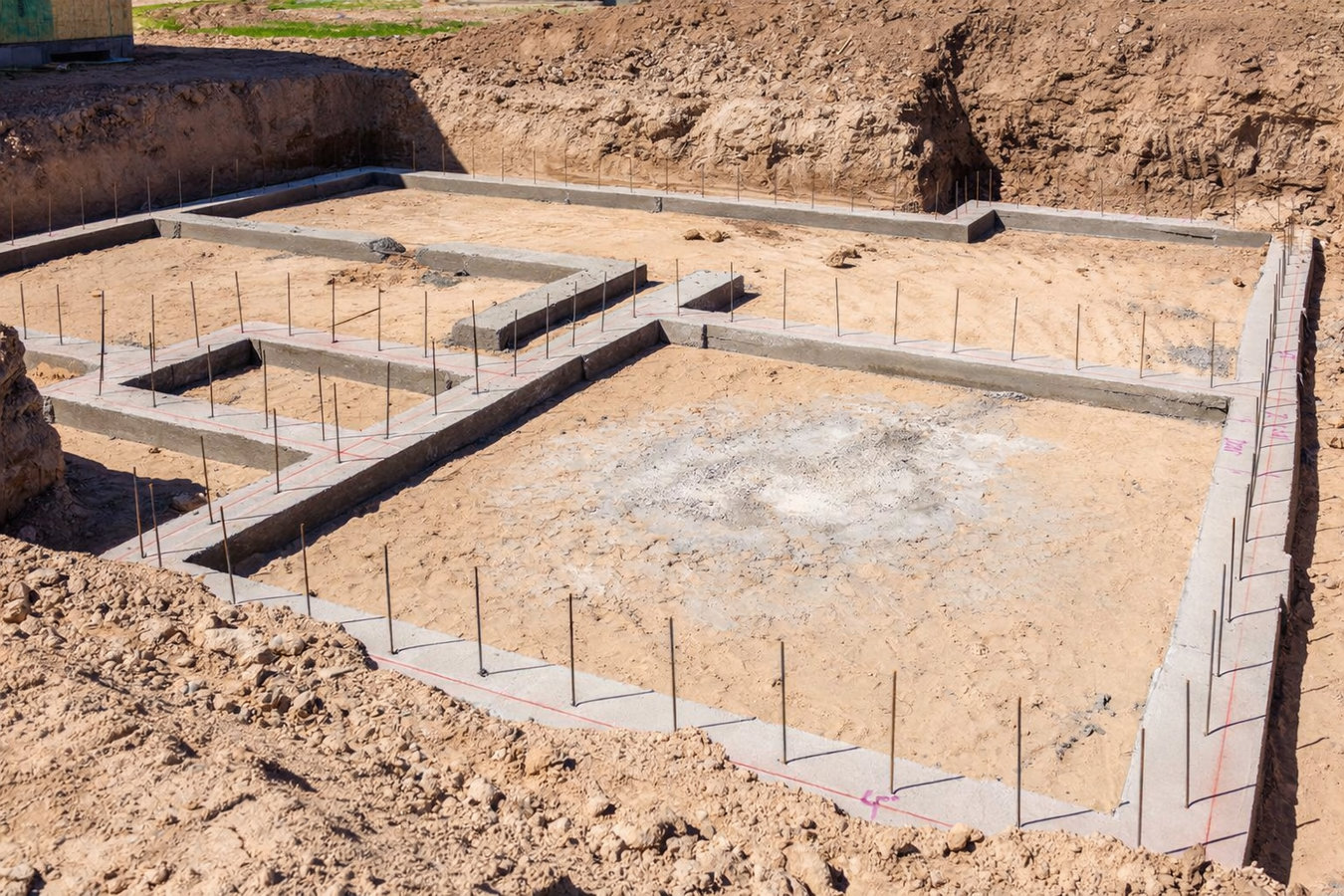
SlateCrew Oxnard Concrete serves Fillmore homeowners with foundation installation, concrete driveways, retaining walls, and patios - with base prep matched to the Santa Clara River Valley's clay soils, permitted work through the City of Fillmore, and experience on the mid-century and post-war homes that define this community.
SlateCrew Oxnard Concrete serves Fillmore homeowners with foundation installation, concrete driveways, retaining walls, and patios - with base prep matched to the Santa Clara River Valley's clay soils, permitted work through the City of Fillmore, and experience on the mid-century and post-war homes that define this community.
Fillmore's older housing stock - much of it built between the 1940s and 1970s - includes homes where original foundation systems were not designed to handle the long-term movement of the Santa Clara River Valley's clay soils. Whether you are adding a room, replacing a damaged foundation section, or building a new detached structure on your lot, our foundation installation work starts with a proper soil assessment to ensure the new foundation is sized and reinforced for the ground it sits on.
Most driveways in Fillmore's in-town neighborhoods are original to homes built in the mid-20th century - meaning they are 40 to 70 years old and were poured without the base preparation that current standards require. Clay soil expansion over decades has pushed many of these slabs into an uneven, cracked condition where patching is no longer cost-effective. We build full replacement driveways with compacted gravel bases that buffer the seasonal soil movement common throughout the valley.
Fillmore sits in a valley ringed by hills, and properties at the edges of town - particularly near the slopes above downtown - have yard grade changes that require retaining walls to hold soil on stepped lots. Original retaining walls on older Fillmore properties were often built without proper drainage behind them, and those walls are now bowing or cracking as saturated soil adds weight and pressure each winter rainy season.
Fillmore's long, hot summers create real demand for usable outdoor space, and the single-family homes throughout the city typically have backyards sized for it. Old patio slabs on Fillmore properties often drain poorly because the clay soil underneath has shifted enough to reverse the original slope - water ends up sitting against the house instead of moving away from it. We build replacement patios with correct drainage slope and proper joint placement for the valley's soil conditions.
Street trees and clay soil movement have worked together over decades to push sidewalk panels out of alignment on streets throughout Fillmore. Heaved or cracked panels adjacent to your property are a tripping hazard and a liability concern. We replace damaged panels to City of Fillmore standards, matching texture and elevation to surrounding sections so the result looks clean and passes inspection.
Newer construction on Fillmore's outskirts - the subdivisions built in the 1990s and 2000s along the edges of town - uses slab foundations that are now old enough to need assessment and occasional repair as the clay soils under the valley floor continue their seasonal expansion and contraction cycle. We build new slab foundations for additions and accessory structures with reinforcement and joint placement matched to valley soil conditions.
Fillmore's housing stock is older than most of Ventura County. The bulk of the city's homes were built between the 1940s and 1980s - single-family houses on modest lots, mostly owner-occupied, with original concrete that has now been in the ground for 40 to 80 years. Concrete that old, poured to the standards of its era, was not designed to handle the seasonal expansion and contraction of the clay-heavy soils that sit beneath much of the Santa Clara River Valley floor. The result is a high concentration of homes with cracked driveways, bowing or failed retaining walls, and patio slabs that no longer drain correctly. These are not cosmetic problems - they are structural failures caused by soil movement that compound if left unaddressed.
Fillmore's valley location also creates a specific drainage challenge that sets it apart from coastal Ventura County cities. The Santa Clara River runs near town, and the valley floor receives runoff from the surrounding hills during winter rain events. When the ground is already saturated and river levels are elevated, drainage around homes becomes critical - a patio or driveway that slopes toward the house instead of away from it can push significant water against a foundation during a wet winter. Getting the drainage slope correct on every concrete surface is not optional in Fillmore; it is a core design requirement for any project that touches grade around a structure.
We pull permits through the City of Fillmore Building Department and are familiar with the permit process for residential concrete work in this city. Fillmore is a small city with a relatively low volume of contractor permit activity compared to larger Ventura County cities, which means the review process can move at a different pace - understanding that timeline and submitting correct documentation the first time avoids the back-and-forth that delays projects by weeks.
Working in Fillmore means knowing the difference between the in-town neighborhoods close to downtown Central Avenue - where older homes on smaller lots have more constrained site access - and the newer subdivisions on the west and south edges of town, where wider lots and better access make logistics easier. The homes near the historic depot and the blocks between Sespe Avenue and Mountain View Street represent the densest concentration of mid-century housing in the city, and those properties consistently show the clay-soil concrete issues that come with that era of construction.
Fillmore is part of a connected corridor of Ventura County communities we work in regularly. We also serve homeowners throughout neighboring Moorpark, to the south and east, where a different era of housing construction creates a different but equally predictable set of concrete repair needs. Our crews travel the corridor between these communities without gap in scheduling throughout the work season.
Reach us by phone or through the contact form. We respond within one business day and can typically schedule a site visit within the same week. Fillmore is a regular stop in our eastern and inland Ventura County service rotation.
We visit the property, assess the existing concrete and soil conditions, evaluate drainage direction around the structure, and measure the full scope of work. You receive a written, itemized quote at no cost and no obligation. For foundation work, we identify any permit requirements and any engineering documentation that may be needed before a permit can be issued - so you know the full timeline before committing.
We pull the permit through the City of Fillmore, coordinate required inspections, and handle all demolition, excavation, base compaction, forming, and concrete work. Most residential flatwork jobs in Fillmore run one to three days of active construction. Foundation projects run longer depending on scope and soil conditions.
We leave the site clean and walk you through the curing schedule - seven days minimum before vehicles use a flatwork surface, longer for foundation systems. You get clear care instructions and a timeline so you know exactly when the project is complete and what maintenance to do next.
We serve all of Fillmore - from the older in-town neighborhoods near downtown Central Avenue to the newer subdivisions on the edges of the valley. No pressure, no obligation. Just a straight quote for your project.
(805) 261-5982Fillmore is a city of about 15,000 residents in the eastern reaches of Ventura County, tucked into the Santa Clara River Valley with mountains on both sides and working citrus groves at the edge of town. It is often described as one of the last genuinely small agricultural towns left in a county that has otherwise become heavily suburban, and that character shows in its housing stock. Most of the city's homes were built between the 1940s and 1980s - modest single-family houses on in-town lots, owner-occupied in the majority, with the kind of wear and deferred maintenance that comes with 40 to 70 years of ownership cycles. The Fillmore & Western Railway, operating out of the historic 1887 Southern Pacific depot on Central Avenue, is one of the most recognized things about Fillmore among locals and visitors, and it anchors the downtown district that long-time residents identify with strongly.
Neighborhoods close to downtown - the blocks running off Central Avenue between the depot and the hills to the north - contain some of Fillmore's oldest housing, including a handful of Craftsman bungalows and early 20th-century homes that predate the mid-century building wave. The newer subdivisions on the city's western and southern outskirts represent a different building era, with larger lots and more recent construction that comes with its own maintenance cycle as those homes reach 20 to 30 years old. Whether your home is a few blocks from the historic depot or out near the newer streets on the edges of town, the clay soils and seasonal drainage challenges of the Santa Clara River Valley affect every concrete surface on the property. We also regularly work throughout nearby Santa Paula, Fillmore's neighboring city along the Santa Clara River corridor, where a similar mix of mid-century housing and agricultural-valley soil conditions creates comparable concrete repair needs.
SlateCrew builds foundations, driveways, retaining walls, patios, and concrete flatwork for Fillmore homeowners - with permitted work, drainage-aware design for the Santa Clara River Valley, and base prep matched to the clay soils under this city. Call now or send a message and we will respond within one business day.