Loading...
Serving Oxnard, CA and surrounding areas. (805) 261-5982
SlateCrew Oxnard Concrete serves Simi Valley homeowners with slab foundations, driveways, and concrete patios - with base prep engineered for the valley's soil conditions and a licensed crew that pulls permits through the City of Simi Valley on every job.
SlateCrew Oxnard Concrete serves Simi Valley homeowners with slab foundations, driveways, and concrete patios - with base prep engineered for the valley's soil conditions and a licensed crew that pulls permits through the City of Simi Valley on every job.
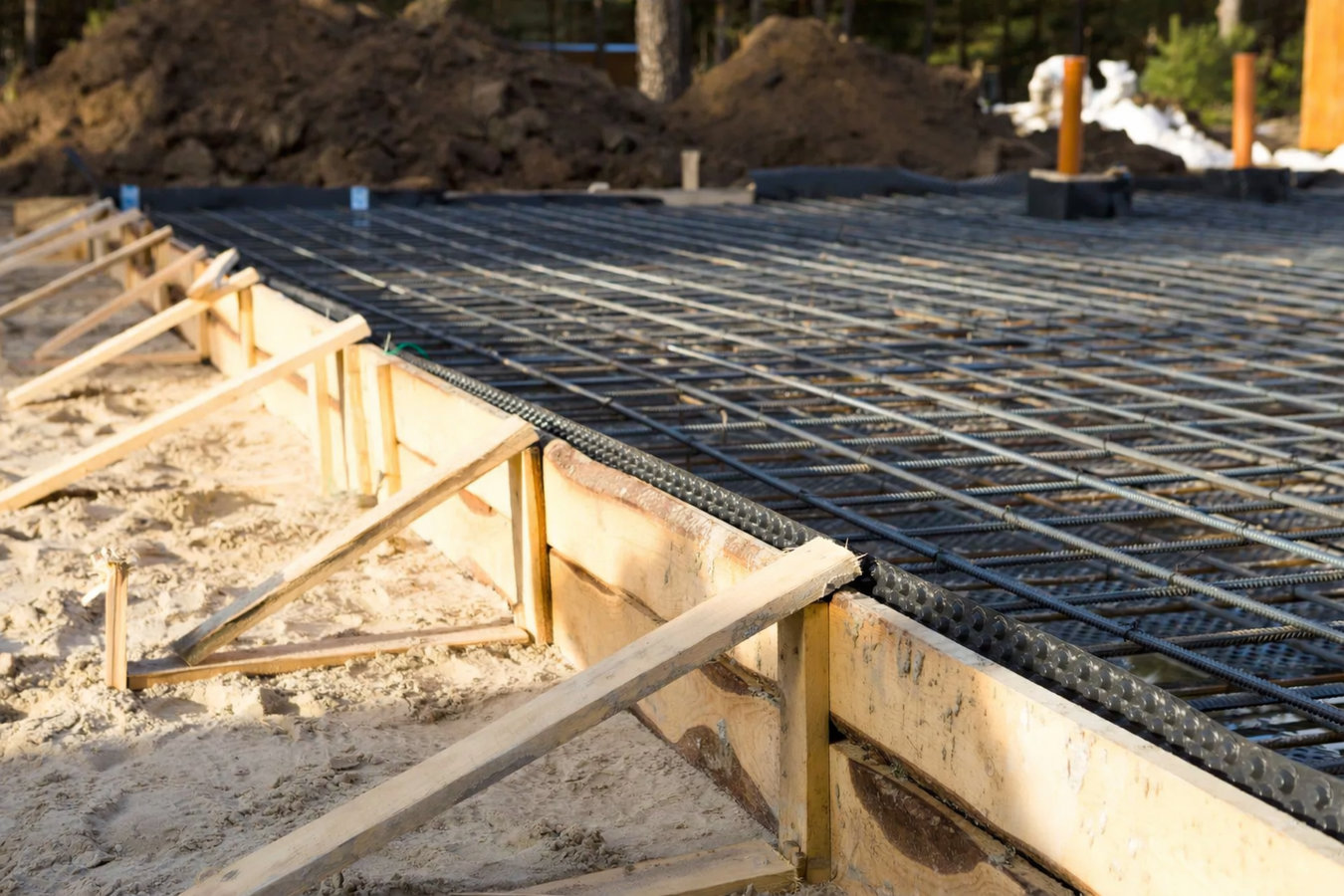
Simi Valley has seen a surge in ADU construction as homeowners add backyard units on their 1960s-1980s lots, and most of those projects need a new concrete slab poured to current California seismic standards. Our slab foundation building work includes proper rebar placement and soil compaction to meet the additional reinforcement requirements that apply in Simi Valley's seismically active zone.
Most of Simi Valley's homes were built between the 1960s and 1980s, meaning a large share of original driveways are now 40 to 60 years old and showing stress cracks, sunken sections, or surface spalling from decades of inland summer heat. We build replacement driveways with the gravel base and slab thickness matched to your specific lot - flat-lot ranch homes and hillside properties near the Santa Susana foothills need different approaches.
Simi Valley's hot, dry summers mean outdoor spaces get heavy use from spring through fall, but unfinished or aging patio slabs crack under the temperature swings between 95-degree summer days and near-freezing winter nights. A properly built concrete patio handles those cycles for decades and drains water away from your foundation during the winter rain season.
Many Simi Valley neighborhoods back directly up to the hillside terrain of the Santa Susana Mountains. Homes on sloped lots or backing open space regularly deal with soil movement, drainage challenges, and erosion that flat-lot properties don't face. Concrete retaining walls provide long-term soil control in a way that timber alternatives can't match on these hillside sites.
Simi Valley's single-family neighborhoods were built with sidewalks and curbs as part of the original subdivision design, and aging sections near tree roots or clay-soil movement are a common tripping hazard. We replace sidewalk panels to City of Simi Valley grade and finish standards, matching the existing texture and keeping the work consistent with the surrounding streetscape.
Room additions, detached garages, and ADU structures on Simi Valley lots all need properly engineered concrete footings before framing begins. Given the city's proximity to active fault systems, footing design here follows California's seismic requirements - rebar sizing, depth, and anchor bolt placement all factor into a footing that stays intact through ground movement.
Simi Valley is an inland valley city, and that geography drives two concrete problems that coastal cities don't face to the same degree. First, the temperature range is extreme by Southern California standards - summers regularly hit the mid-90s and occasionally top 100 degrees Fahrenheit, while winter nights can drop near freezing from December through February. That thermal cycling stresses concrete surfaces from the top down, causing surface scaling and fine cracking in older slabs that were not sealed or finished to handle it. Second, the majority of Simi Valley's housing stock was built quickly during large tract developments in the 1960s through 1980s. Fast construction at scale meant base preparation was often minimal - just enough to pass inspection at the time, not enough to hold up through 50 years of movement. The result today is a city with a large inventory of aging concrete that is overdue for replacement.
Seismic exposure adds another layer of complexity that homeowners in Los Angeles or coastal Ventura County may not think about as directly. Simi Valley sits near active fault systems, and California's building code requires concrete work here - especially foundations and footings - to meet seismic reinforcement standards that are more demanding than in lower-risk states. A contractor who pulls permits and works through proper inspections protects you at the structural level, not just the surface level. For the homeowners investing $650,000 to $700,000 or more in Simi Valley properties, concrete work that shortcuts on reinforcement or base prep is a liability, not a savings.
We pull permits through the City of Simi Valley Building Safety Division and are familiar with what local plan checkers look for on residential flatwork and foundation projects. That knowledge matters because Simi Valley's seismic zone requirements mean foundation inspections here involve a pre-pour rebar check that is not optional - a contractor who has not done this before can stall a project by failing to have the reinforcement in place for the inspector before the concrete truck arrives.
The city's neighborhoods each show up differently on a job site. The older ranch homes near Simi Valley Town Center - properties that date from the late 1960s through mid-1970s - almost always have original concrete flatwork that has moved with the soil and needs full replacement rather than patching. The newer master-planned homes in Wood Ranch on the eastern side of the city are larger two-story builds with different access and drainage considerations than the compact lots closer to the 118 Freeway. Hillside properties on the north end of the city, backing the open space near the Santa Susana foothills, often need retaining wall work before any flatwork project can begin.
Simi Valley sits at the edge of Ventura County, and we regularly serve homeowners in neighboring communities. We also work in Santa Clarita, just over the county line to the east, where similar tract-home vintage and hillside terrain create comparable concrete challenges. Crews travel between these two communities for back-to-back project scheduling throughout the year.
Reach us by phone or through the contact form. We respond within one business day and can typically schedule a site visit within the same week - Simi Valley is in our regular service rotation.
We visit the property, assess soil conditions and existing concrete, measure the area, and discuss finish and thickness options. You receive a written, itemized quote at no cost and with no obligation - and we identify permit requirements and any HOA submission steps at this stage.
We pull the required permit through the City of Simi Valley, coordinate any required pre-pour inspections, and complete all base prep, forming, reinforcement, and concrete work. Most residential jobs run one to three days on-site.
We leave the site clean and walk you through the curing schedule - seven days minimum before vehicles use the surface. You get a clear timeline for each phase so you know exactly when the project is complete.
We serve all of Simi Valley - from the older ranch homes near Town Center to the hillside neighborhoods backing the Santa Susana Mountains. No pressure, no obligation. Just an honest quote for your project.
(805) 261-5982Simi Valley is a city of roughly 126,000 people in a valley ringed by the Santa Susana Mountains to the south and rolling hills on the other sides. The city grew rapidly after the opening of the 118 Freeway in 1955, incorporated in 1969, and expanded through large-scale tract home development over the following two decades. That building history left Simi Valley with a housing stock where the majority of single-family homes are between 40 and 60 years old - ranch-style properties on modest lots with attached garages, concrete driveways, and stucco exteriors that were built quickly to meet demand from families moving out of Los Angeles. The Ronald Reagan Presidential Library sits on a hilltop in the city and is one of the most visited presidential libraries in the country - every Simi Valley resident knows it as a local landmark.
Median home values in Simi Valley run $650,000 to $700,000, and the owner-occupancy rate sits well above the California average. Many residents have lived in the same house for 20 years or more and have significant equity tied up in their properties - which is part of why concrete work here is taken seriously. A cracked slab or failed retaining wall on a property worth that much is not something to put off. The city's eastern neighborhoods, including Wood Ranch, have newer and larger homes than the city's core, but even those properties are now 20 to 30 years old and seeing their first round of major concrete maintenance. We also regularly serve homeowners in neighboring Thousand Oaks, which shares Simi Valley's hillside terrain and owner-occupied character.
SlateCrew builds driveways, slab foundations, patios, retaining walls, and concrete flatwork for Simi Valley homeowners - with permitted work, seismic-compliant reinforcement, and base prep matched to your lot. Call now or send a message and we will respond within one business day.